Marble
Italian
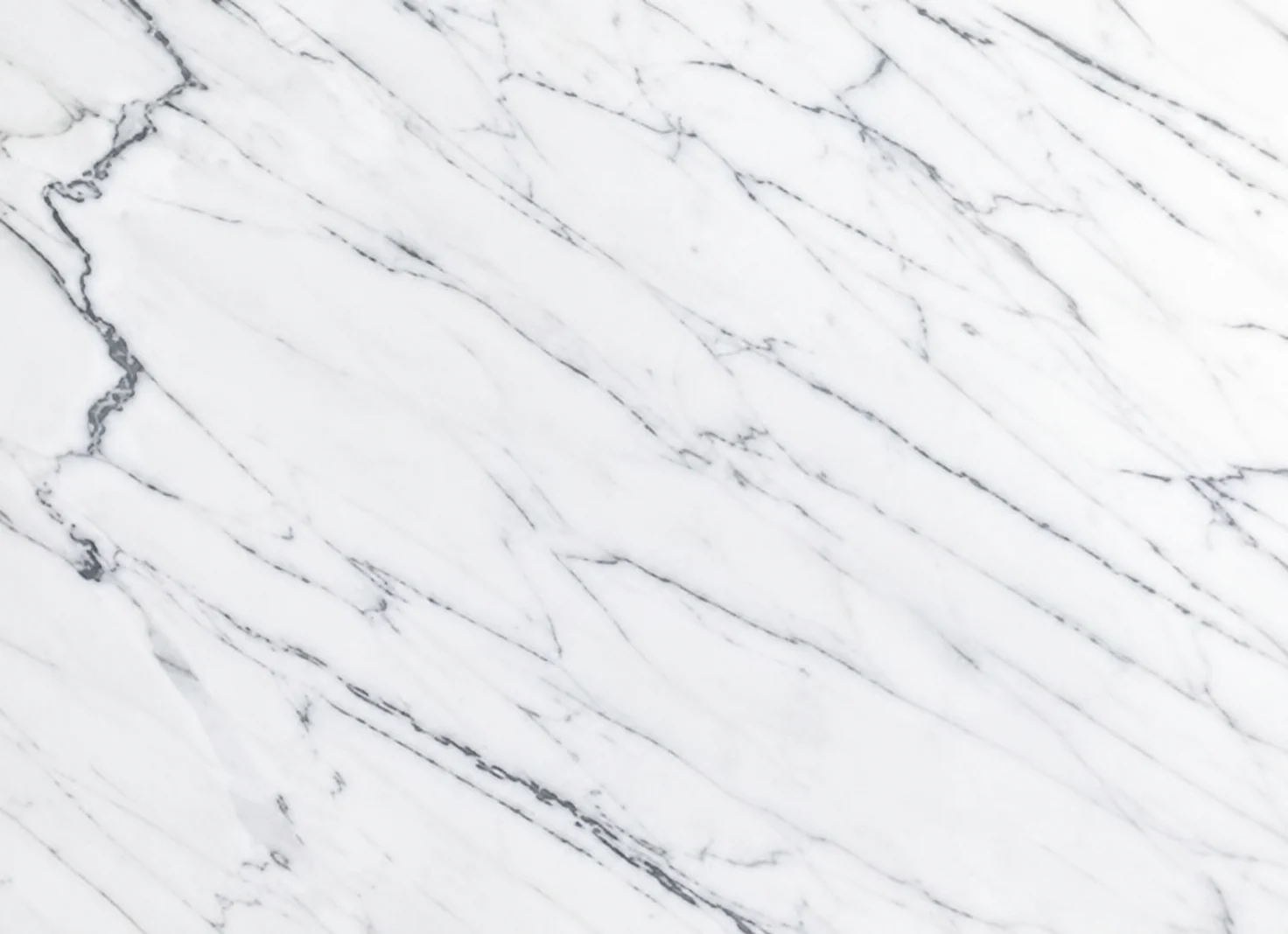
Shown at catalogue size. Ask us for a full-resolution slab photograph or a physical sample.
Italian
- Material
- Marble
- Shade
- Multicolour
- Origin
- Available on request
- Finishes
- Polished, Honed, Brushed, Antique, Leathered
- Thickness
- 16 mm, 18 mm, 20 mm, 30 mm
- Formats
- Gangsaw Slabs, Cutter Slabs, Tiles, Vanity Tops, Mosaics, Inlay Work
Standard sizes
- Slabs — 240–320 × 150–190 cm
- Tiles — 30×30, 40×40, 60×60 cm
- Custom cut-to-size
Applications
- Flooring
- Wall Cladding
- Vanity Tops
- Feature Walls
- Staircases
- Table Tops
About Italian
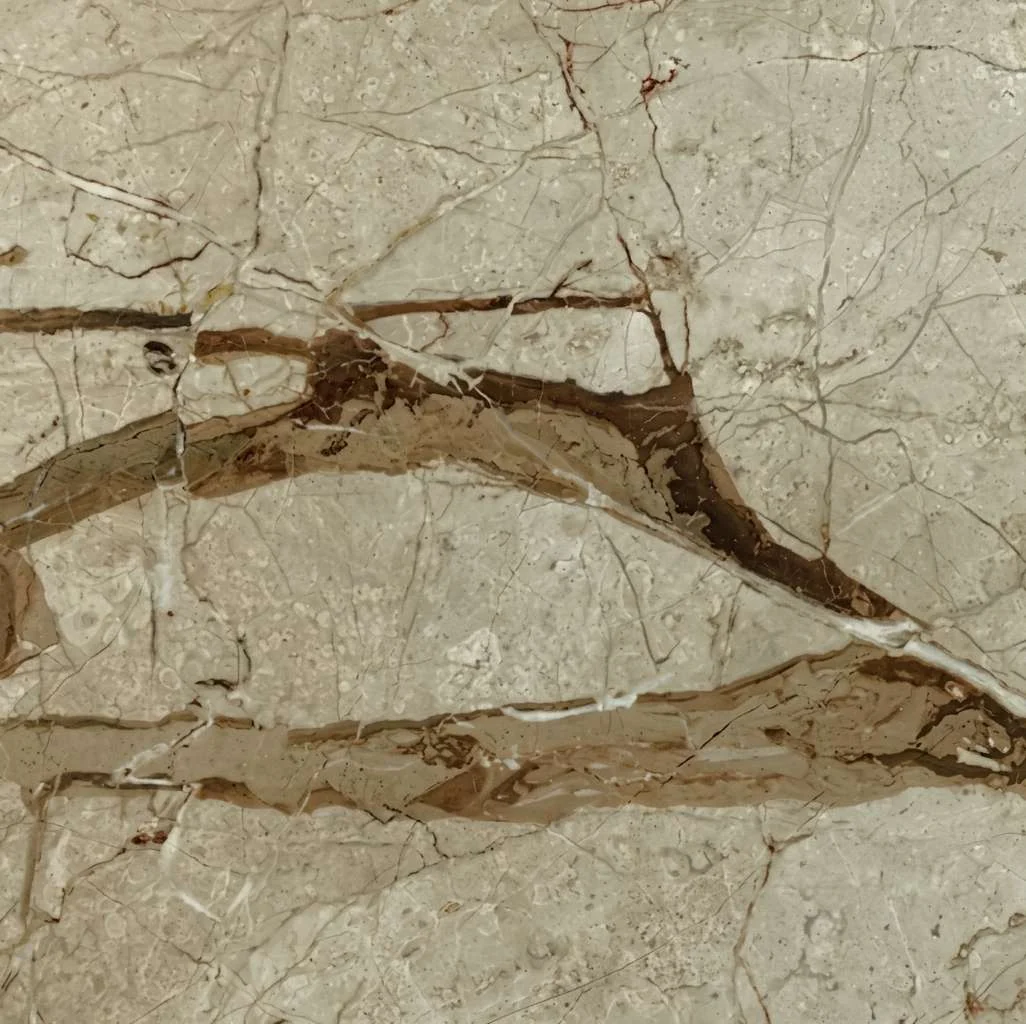
Italian is a marble u2014 a metamorphic stone, recrystallised limestone, valued for the depth and movement of its veining rather than for brute hardness. The colour runs across a range within a single slab, so it is best selected from the actual material rather than from a photograph.
Marble is best used where it will be looked at rather than worked on. Italian suits flooring, wall cladding, vanity tops, feature walls and table tops. It is calcareous, so acidic spills u2014 lemon, wine, some cleaning products u2014 will etch a polished surface; a honed finish disguises that far better than a polish does.
Formats for Italian include gangsaw slabs, cutter slabs, tiles and vanity tops, at 16 mm, 18 mm, 20 mm and 30 mm. Tell us the finish, the thickness and the destination port and we will confirm availability, packing detail and a quotation within one business day.
Frequently asked
What sizes and thicknesses does Italian come in?
Standard thicknesses are 16 mm, 18 mm, 20 mm and 30 mm. Slabs u2014 240u2013320 u00d7 150u2013190 cm; Tiles u2014 30u00d730, 40u00d740, 60u00d760 cm; Custom cut-to-size. Anything outside these is cut to your drawing.
Which finishes are available?
We supply Italian in Polished, Honed, Brushed, Antique and Leathered. The right one depends on the application u2014 tell us where the stone is going and we will recommend rather than guess.
What is Italian best used for?
It is commonly specified for flooring, wall cladding, vanity tops, feature walls, staircases and table tops. Send us the drawing or describe the space and we will confirm whether it is the right material.
Does Italian vary between slabs?
Yes, considerably u2014 and that is the reason to choose marble. Veining direction, density and background tone differ between slabs. For a feature wall or a book-matched floor, tell us at the enquiry stage so the slabs are selected and sequenced rather than picked at random.
Can Italian be used outdoors?
It can be, but with care. Marble weathers and can lose its polish outdoors, and in a freeze-thaw climate it is not the right choice. For external work we would usually point you at a granite instead u2014 tell us the location and we will say plainly what will hold up.
How much maintenance does it need?
Marble is calcareous, so it reacts to acid. Seal it on installation, clean with a pH-neutral product, wipe up wine, citrus and vinegar promptly, and keep away from limescale removers and bleach.
Where is Italian quarried?
Quarry origin for this shade is confirmed at enquiry stage u2014 ask the export desk and we will tell you exactly where the block comes from.
Can I get a sample before ordering?
Yes. We send physical samples of any shade in the catalogue before you commit, and for larger orders we will photograph the actual slabs allocated to you prior to crating.
How is it packed for export?
Film wrapping, EPE foam between every surface, edge and corner protection, then heat-treated fumigated timber crates on moisture-resistant pallets. Loading is supervised and photographed before the container is sealed.
Also consider