Granite
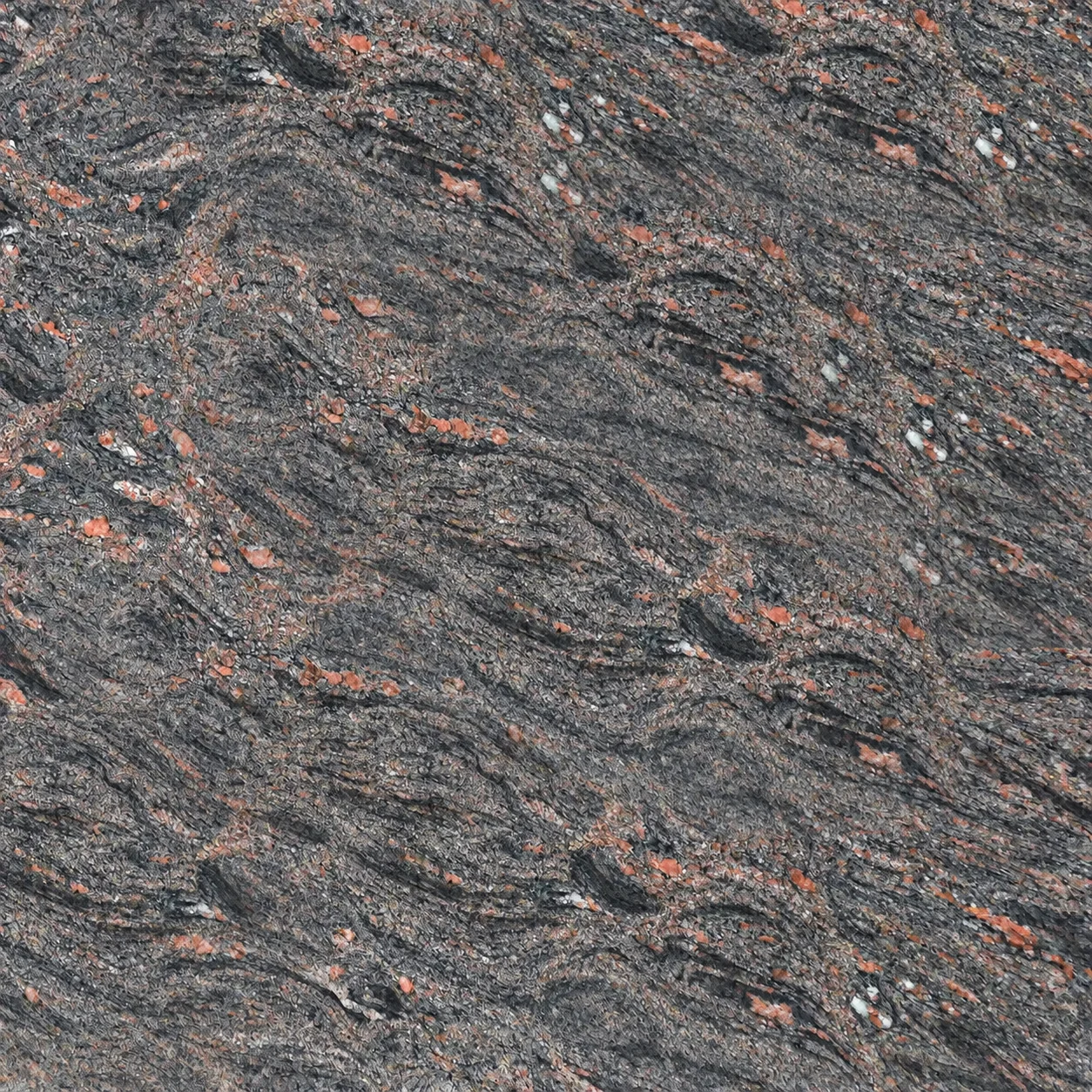
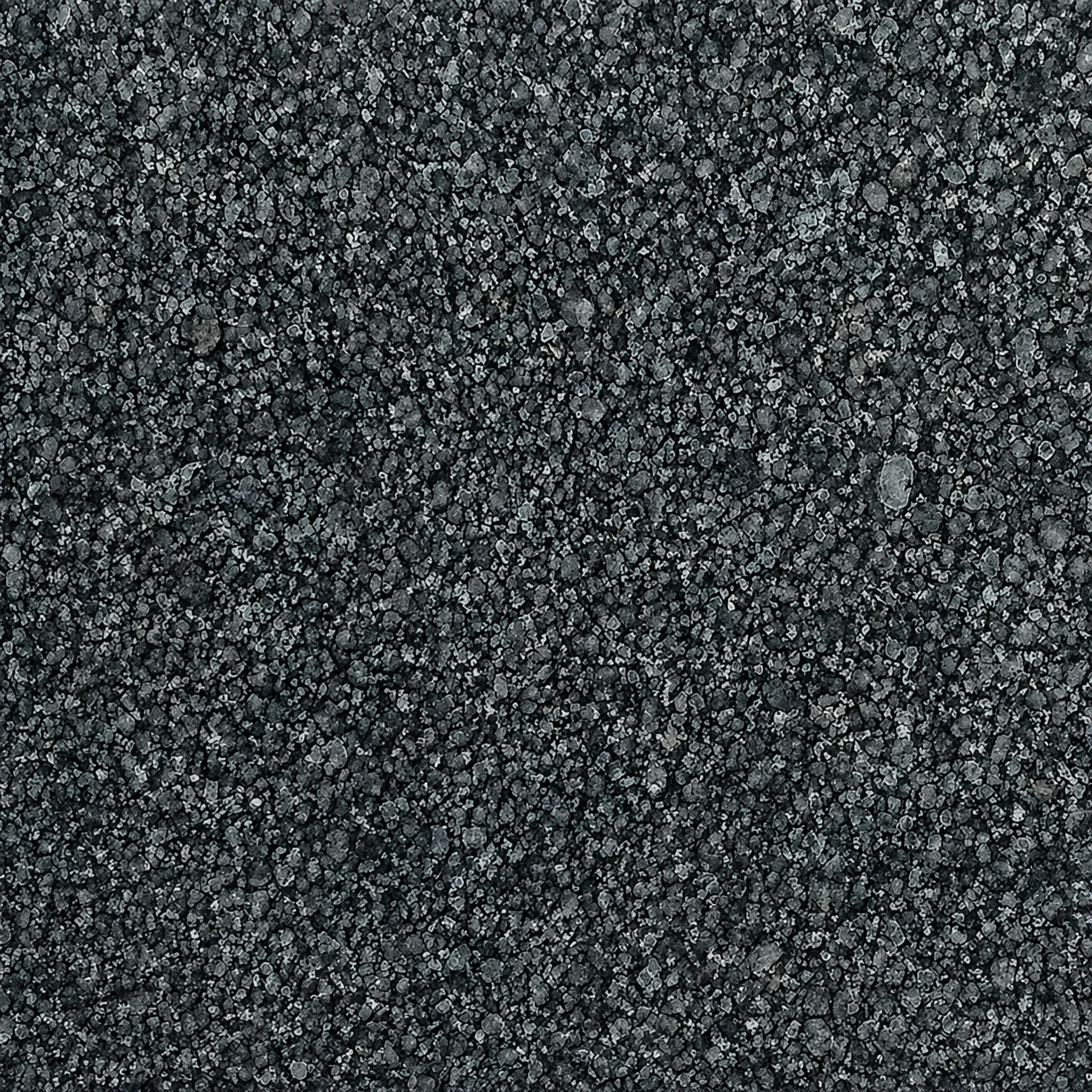
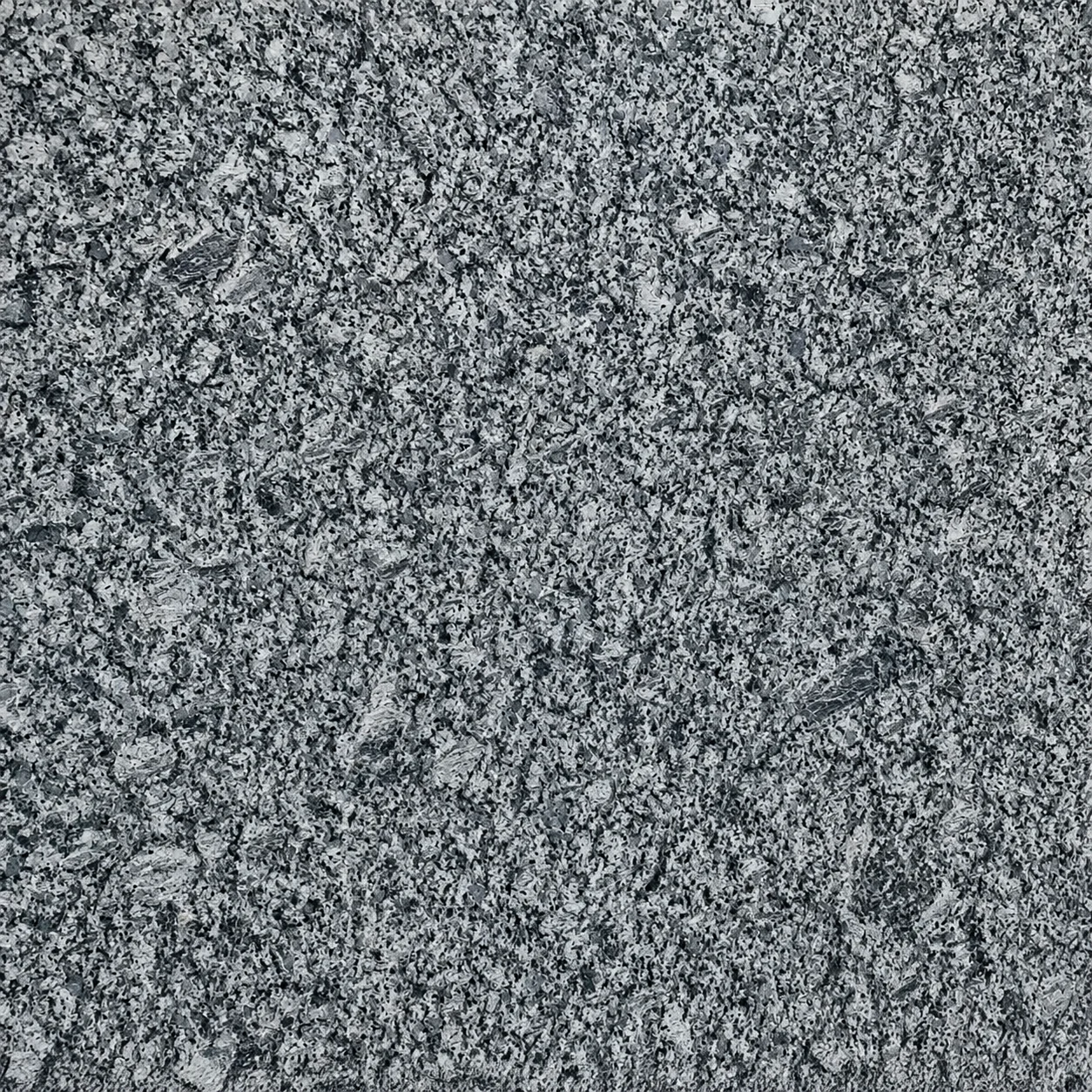
Blue Dunes
Blue Dunes
- Material
- Granite
- Shade
- Blue
- Origin
- Available on request
- Finishes
- Polished, Honed, Flamed, Leathered, Brushed, Bush Hammered, Sandblasted
- Thickness
- 15 mm, 16 mm, 18 mm, 20 mm, 30 mm
- Formats
- Gangsaw Slabs, Cutter Slabs, Tiles, Countertops, Steps & Risers, Rough Blocks
Standard sizes
- Gangsaw slabs — 260–330 × 160–200 cm
- Cutter slabs — 180–240 × 60–90 cm
- Tiles — 30×30, 30×60, 60×60 cm
- Custom sizes to drawing
Applications
- Flooring
- Wall Cladding
- Kitchen Countertops
- Staircases
- Exterior Facades
- Monuments
Gallery
Blue Dunes in detail
About Blue Dunes
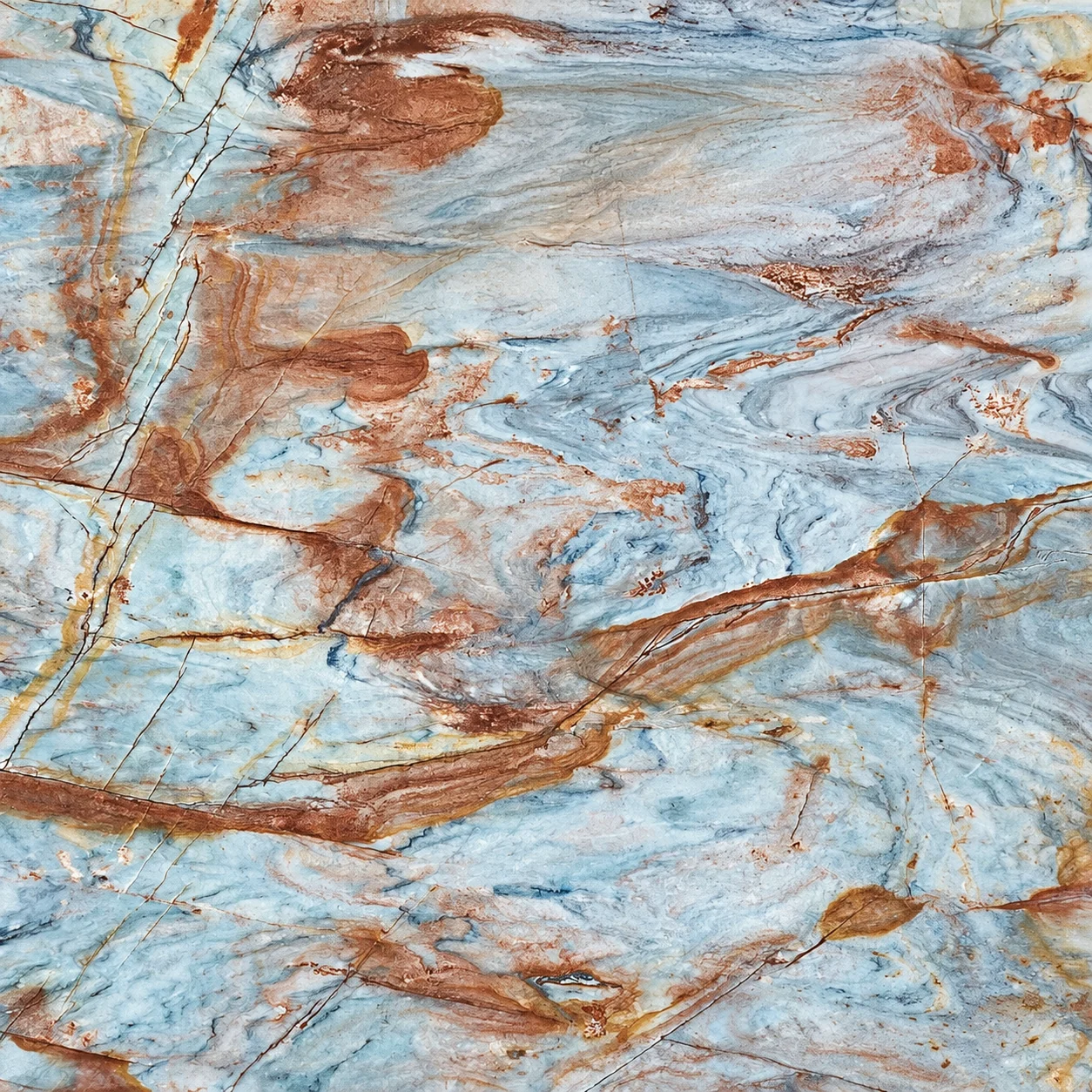
Blue Dunes is an Indian granite: an igneous stone formed under heat and pressure, which is what gives it its hardness and its very low rate of water absorption. Blue is rare in natural stone, which is exactly why it is specified u2014 it does something no neutral can.
Granite handles heat, scratching and frost, so Blue Dunes is equally at home on a kitchen worktop and on an external facade. A flamed or bush-hammered finish raises the texture enough to stay grippy underfoot when wet, which matters for steps, pool surrounds and any paving that sees rain.
Blue Dunes is available as gangsaw slabs, cutter slabs, tiles and countertops. Standard thicknesses are 15 mm, 16 mm, 18 mm, 20 mm and 30 mm, and other dimensions are cut to drawing. Every order is shade-graded before crating, which is what stops a delivery arriving as a patchwork.
Frequently asked
What sizes and thicknesses does Blue Dunes come in?
Standard thicknesses are 15 mm, 16 mm, 18 mm, 20 mm and 30 mm. Gangsaw slabs u2014 260u2013330 u00d7 160u2013200 cm; Cutter slabs u2014 180u2013240 u00d7 60u201390 cm; Tiles u2014 30u00d730, 30u00d760, 60u00d760 cm. Anything outside these is cut to your drawing.
Which finishes are available?
We supply Blue Dunes in Polished, Honed, Flamed, Leathered, Brushed, Bush Hammered and Sandblasted. The right one depends on the application u2014 tell us where the stone is going and we will recommend rather than guess.
What is Blue Dunes best used for?
It is commonly specified for flooring, wall cladding, kitchen countertops, staircases, exterior facades and monuments. Send us the drawing or describe the space and we will confirm whether it is the right material.
Does Blue Dunes vary between slabs?
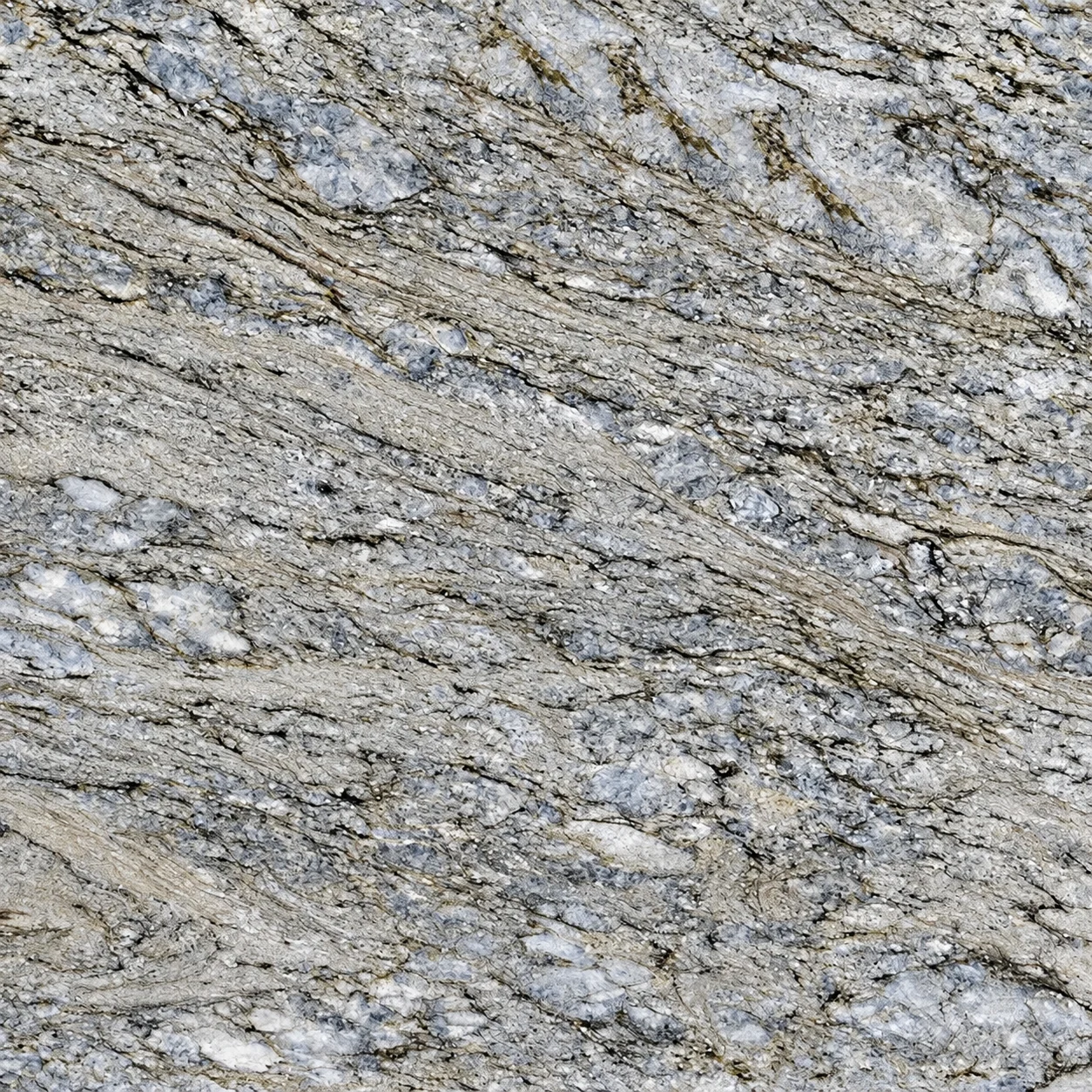
Yes. Blue Dunes is a natural stone, so grain, colour density and pattern vary from block to block and even across a single slab. We shade-grade every order so what ships together looks like it belongs together, and we can send photographs of your actual lot before it leaves.
Can Blue Dunes be used outdoors?
Yes. Low water absorption and high compressive strength make Blue Dunes suitable for facades, plinths, paving and external staircases. Specify a flamed, bush-hammered or sandblasted finish for anything walked on, so the surface stays grippy when wet.
How much maintenance does it need?
Granite needs very little. Clean with warm water and a pH-neutral cleaner, and re-seal a polished worktop every year or two depending on use. Avoid abrasive powders, which dull the polish over time.
Where is Blue Dunes quarried?
Quarry origin for this shade is confirmed at enquiry stage u2014 ask the export desk and we will tell you exactly where the block comes from.
Can I get a sample before ordering?
Yes. We send physical samples of any shade in the catalogue before you commit, and for larger orders we will photograph the actual slabs allocated to you prior to crating.
How is it packed for export?
Film wrapping, EPE foam between every surface, edge and corner protection, then heat-treated fumigated timber crates on moisture-resistant pallets. Loading is supervised and photographed before the container is sealed.
Also consider